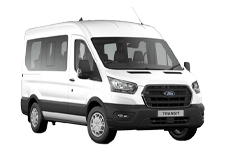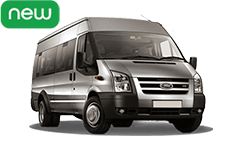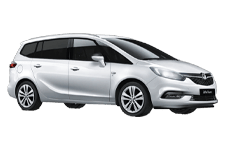
Organising a multi-stop itinerary requires balancing passenger comfort with vehicle manoeuvrability, especially when travellers will be joining and leaving along the way.
Verify Driver Entitlements Promptly
Standard car licences cover vehicles up to a set size, whereas larger models often demand additional driving categories. Review everyone's photocard well in advance if you plan to share the driving across different legs of the journey. Confirming who can legally take the wheel prevents last-minute schedule disruption.
Base Vehicle Size on Real Luggage Demands
Counting seats alone frequently leads to cramped travel, particularly when passengers carry bags, coats, or equipment between destinations. Choose a layout that leaves spare space rather than filling every single seat cushion. Giving travellers breathing room keeps embarkation quick and stress-free at every pause.
Account for Regular Turning and Access
Running an itinerary with frequent halts means negotiating residential lanes, varied parking layouts, and tight junctions. Compact minibuses handle frequent drop-offs and narrow accesses far more comfortably than longer wheelbases. Balancing internal room against overall exterior length ensures simpler parking each time the group disembarks.
Agree Priorities and Finalise Details Early
Highlight essential features early, such as step access, climate control, or boot capacity, so your requirements stay clear. Vehicle availability naturally fluctuates depending on seasonal demand, so settling these choices early avoids compromises later. Clear upfront expectations regarding payments and deposits ensure seamless collection on the day.
Questions before you book
How do I pick the right minibus in Clitheroe?
Map your total passenger count alongside any personal bags, then consider the tightest access point on your route. Opting for a slightly larger vehicle prevents overcrowding while remaining practical to steer and park across multiple stopping points.
Can a particular minibus be held before I book in Clitheroe?
Reservations typically require confirmed details and agreed terms to secure a specific vehicle category, meaning vehicles cannot usually be held informally.