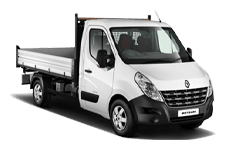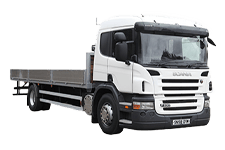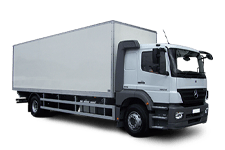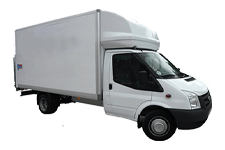
Choosing a truck in Anglesey works best as a sequence of small decisions rather than one big guess. First decide what you are moving and how much space it needs. Then settle who will drive, which features matter, and when collection and return genuinely fit your day. A customer collecting one bulky item, for instance, needs a different vehicle from someone shifting several loads, so answer each question in turn before you enquire.
Decision One: Define the Load
Start with the object itself. A single bulky item — a wardrobe, perhaps, or a workshop bench — sets its own requirements for load length, height and weight. Measure the piece at its widest points, note whether it can be dismantled, and compare those figures with the cargo space each vehicle class offers. The load chooses the truck.
Decision Two: Confirm Your Drivers
Next, decide who takes the wheel. Larger trucks can demand a specific licence category, so check what each proposed driver actually holds rather than assuming a car licence covers everything. Keys pass only to drivers named on the agreement, and every operator runs its own checks. Declare points or overseas licences in your opening message, not at the counter.
Decision Three: List the Non-Negotiables
Third, separate essentials from preferences. If the job collapses without a tail lift, a certain payload or a particular loading height, say so in your first sentence and give each item its own line. Preferred makes can go in as a steer only. Ask the same message about insurance, the excess, the deposit, mileage limits and fuel arrangements.
Decision Four: Set Honest Times
Finally, timetable both ends realistically. Collection involves travel, paperwork, a walk-round inspection and a calm loading session; return adds unloading and possibly fuel. Whichever end you schedule tightest is the one that will overrun, so pad both. Check the firm's opening hours cover your slots, and ask for agreed times in writing.
Questions before you book
How do I pick the right size truck in Anglesey?
Measure your largest item at its longest, widest and tallest points, then compare those figures with the cargo dimensions of each vehicle class. One bulky item often fits a smaller truck than people expect, provided it slides in whole. Ask the hire firm to check your measurements against its fleet.
What documents will I need to hire a truck?
Expect each named driver to show a valid licence, photo identification, proof of address and a payment card for the deposit. Requirements differ between operators, so ask for the full checklist when you enquire rather than guessing. Bear in mind that a particular truck is only reserved once a booking is made.