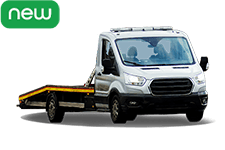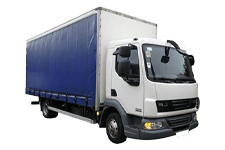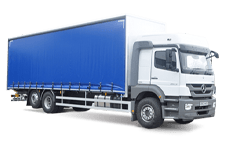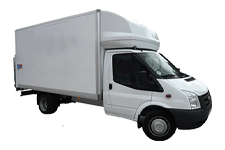
Moving equipment alongside a working team means balancing cab seating against usable cargo space. When several passengers must travel together with substantial gear, settling on the right configuration early avoids having to run separate support vehicles.
Prioritise Passenger Counts Alongside Cargo Dimensions
Bulky cases and multiple crew members quickly compete for cabin room and total payload. Decide whether your priority lies in carrying everyone inside a crew-cab chassis or maximising rear box volume while sending surplus travellers ahead by public transport.
Account for Neighbourhood Navigation and Unloading Space
Narrow residential avenues, parked cars, and compact loading bays frequently restrict longer wheelbases. Measure kerbside clearance and gate widths at both collection and delivery points before committing to a larger model that could prove awkward to position safely.
Confirm Eligible Drivers Before Arriving for Handover
Sharing driving duties across long shifts prevents fatigue, but standard licences and rental policies often set distinct thresholds for vehicle weights. Verify that your nominated motorists hold the appropriate categories well beforehand to prevent unexpected administrative hold-ups at the collection desk.
Clarify Schedule Expectations and Vehicle Availability Early
Deposit rules, insurance excess options, and precise collection windows all directly shape project finances. Because vehicle availability can fluctuate around peak moving periods, discussing handover logistics and return arrangements in advance ensures your entire travelling party stays completely on track.
Questions before you book
How do I choose a suitable truck for hire in Ealing?
Count your total travelling party first, then estimate the overall volume and weight of your luggage. If seat numbers cannot be compromised, consider a crew-cab model; if cargo volume takes precedence, select a standard cab with maximum load length.
What should a truck hire enquiry for Ealing include?
Provide your expected mileage, passenger numbers, collection dates, and approximate cargo dimensions. Mentioning any tight access gates or overhead restrictions at your destination also helps narrow down the most practical vehicle footprint.