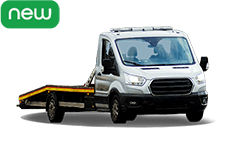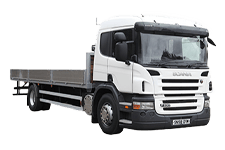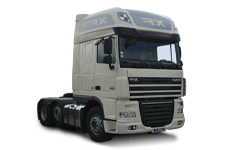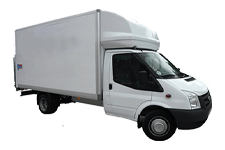
Balancing travelling personnel alongside bulky plant gear demands realistic operational planning before leaving Mawr for any work site.
Sequence the Daily Timeline Before Committing
Map out every phase of your working day prior to agreeing collection and drop-off appointments. Factor in the time needed to muster staff, strap down equipment, and absorb potential transit slowdowns. Adding a deliberate schedule buffer shields the enterprise against penalty fees if tasks overrun on location.
Confirm Authorized Motorists Promptly
Nominate and inspect the licence credentials of your chosen drivers before narrowing down vehicle classes. Transporting colleagues alongside substantial equipment often dictates cab seating layouts or vehicle weight ratings. Early licence checks prevent your team from choosing a category that nobody present is qualified to drive.
Specify Equipment Dimensions and Site Boundaries
Detail the exact physical dimensions, weights, and handling demands of your payload alongside conditions at each stop. Dual-cab options limit rear cargo space, making clear measurements vital for fitting both work crews and machinery. Highlight whether site gates, low branches, or private lanes present clearance obstacles.
Review Financial Conditions in Advance
Ask direct questions concerning security deposits, excess levels, fuel agreements, and out-of-hours return protocols before signing agreements. Vehicle availability can fluctuate across peak periods, so clarifying all contractual obligations early protects project budgets. Addressing these expenses in advance eliminates surprises when reconciling final business invoices.
Questions before you book
How should I plan the collection and return times for a Mawr truck hire?
Construct your operational hours backwards from the on-site start time, including loading delays and traffic buffers. Scheduling your hire window around that realistic timetable stops you from racing against the clock.
What should a first truck hire enquiry from Mawr include?
State passenger numbers, overall payload weight, expected mileage, and any height or turning limits at your destinations. Providing these facts immediately helps identify appropriately matched vehicle configurations.