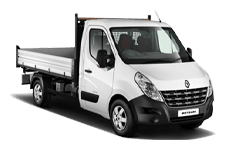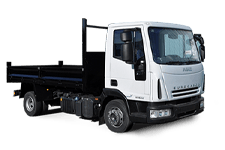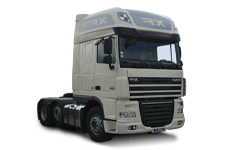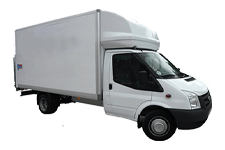
When your team needs to move substantial equipment, stock, or materials around Romsey, choosing the appropriate vehicle size is the single most critical decision. Establishing clear parameters early keeps the entire crew aligned, reduces overall travel time, and avoids the stress of managing an ill-suited vehicle on the day.
Map Out Your Operational Schedule
Establish a firm timetable before comparing vehicle options. Calculate how many operational hours the job genuinely requires, factoring in realistic loading intervals and potential road delays. Decide early whether a single run with a larger capacity model makes better logistical sense than running multiple shuttles in a smaller van, as this decision sets the rhythm for your entire day.
Assess Access at Every Stop
Scrutinise every pick-up and delivery point for height restrictions, narrow gateways, and restricted turning spaces. Opting for a chassis that navigates the tightest street or yard without incident prevents frustrating delays and unnecessary physical carrying. Because commercial fleet availability can vary depending on local demand, settling on acceptable vehicle dimensions beforehand helps secure an appropriate option promptly.
Designate the Primary and Relief Drivers
Nominate your designated drivers long before collection day arrives. Check that your colleagues feel confident handling larger commercial dimensions and hold the relevant driving licence categories for the class of vehicle under consideration. Appointing a qualified back-up driver within your team safeguards the schedule against unexpected illness or fatigue during extended unloading periods.
Balance Payload Weights Against Budget Limits
Review the total weight and bulk of your cargo rather than focusing purely on floor surface area. Selecting a vehicle with sufficient payload allowance prevents accidental overloading while keeping fuel consumption and hire tariffs within your agreed operational budget. Resolve decisions regarding damage waivers, deposits, and fuel replenishment policies within your team before completing the agreement.
Questions before you book
How should I plan a truck hire booking in Romsey?
Begin by listing your cargo dimensions, estimating transit times, and checking turning space at every destination. Involve your drivers early to ensure their licence covers the vehicle category, and agree your daily schedule before confirming terms.
What should a Romsey truck hire enquiry include?
Specify your preferred collection date, estimated mileage, cargo weight, and tail-lift requirements if needed. Mentioning any tight site access details helps the provider recommend a vehicle size that suits the task.