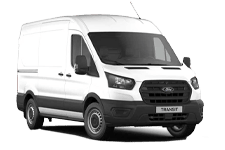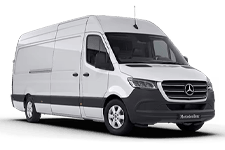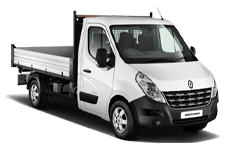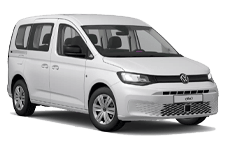
Transporting an awkward wardrobe or long piece of furniture requires more than guessing cargo volume. Picking the right vehicle ensures your load travels safely without causing unnecessary stress on the road.
Measure the Tightest Dimensions First
Grab a tape measure before browsing vehicle classes, noting the widest angles, diagonal clearance, and protruding edges. Comparing these figures against load length and rear aperture dimensions prevents hiring a model that falls short by inches. Settle on a load bed that provides breathing room around your item rather than risking a tight squeeze.
Match the Van to Your Confidence
Stepping into a long-wheelbase commercial vehicle can feel daunting if you rarely manage high driving positions and blind spots. Selecting a more compact van often relieves parking anxiety, even if it changes how items are positioned. Choose a chassis size you feel completely at ease handling in blustery conditions and traffic.
Assess Loading Space at Both Ends
Tight residential turns, low branches, and steep driveways can disrupt a move if an oversized vehicle cannot position safely. Envisioning where you will park to unload helps determine whether swinging rear doors work or if side-door access is essential. Decide on dimensions that allow clean loading without blocking the road.
Finalise Your Plans Early
Assemble your paperwork and verify moving times well ahead of your journey. Fleet availability can fluctuate depending on peak dates and seasonal demand, making prompt booking sensible. Choose to confirm all hire details beforehand so you can focus entirely on tying down the load securely.
Questions before you book
How do I choose the right van to hire in Cromer?
Focus on the precise dimensions of your largest possession, then weigh that against parking restrictions at both locations and your comfort handling a larger chassis.
Is one big van better than a smaller one and two trips?
A single large vehicle cuts down on driving time, whereas two runs in a compact model can be far less stressful if turning space is restricted or tight streets are involved.