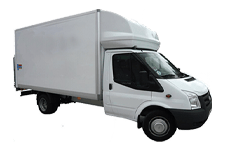
A van solves most transport problems in a single morning. Picture a delivery to a farmyard with a narrow gate and a tight turn at the end. The right hire decision starts with the load, then the lane, then your own comfort behind the wheel. Get those three in order and the day tends to look after itself.
Begin With a Frank Assessment of the Load
Measure everything before you ring anyone. Count the bulky items, note their weight and decide whether they stack safely. A sofa and six boxes suit one medium van; plasterboard needs a long wheelbase and a second pair of hands. Write the list down. A clear inventory turns a vague request into a specific one, and the depot can match it to a vehicle.
Think Through the Whole Route
The vehicle has to fit the destination, not just the job. Awkward access changes everything: a high roof that catches on branches, a long body that cannot clear a hairpin, a wide mirror that clips a stone wall. Drive the route in your head first. If the last hundred metres are doubtful, choose the smaller van and accept an extra trip.
How Confident Are You Behind the Wheel?
Be honest about your driving. A big panel van handles differently from a hatchback: blind spots grow, reversing needs care and rural lanes leave little margin. If that sounds daunting, a compact van costs you little time on short distances. Ask about automatic options if that would steady your nerves. Confidence matters more than cubic metres on a stressful day.
Booking and Collecting Without Fuss
Have your licence and a card ready when you book. Ask which van you will actually get, since the exact model cannot always be promised over the phone. Arrive early, check the body for existing marks and photograph them. Load the heaviest items first, against the bulkhead. Ten minutes of care at the depot saves an hour of argument later.
Questions before you book
How do I choose the right size van in Wales?
Start with the largest single item, then work backwards. Measure its length, height and weight, and compare those figures with the load area of each van class. Add margin for padding and awkward shapes. If two measurements are close, take the larger van.
Is it better to hire one large van or make two trips in a smaller one?
Two trips often win when the distance is short and access is tight. A smaller van turns more easily and carries less risk of damage at the drop-off point. One large van saves fuel and time on longer runs. Decide based on the journey, not just the load.