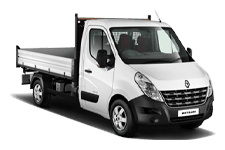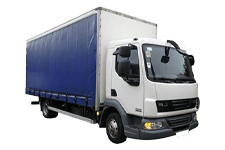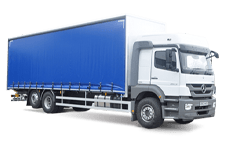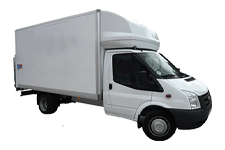
Hiring a commercial vehicle requires balancing what you need to move against where you need to take it. Evaluating your cargo handling setup early prevents costly delays and multiple trips.
Gauge the cargo before choosing a body type
Bulky furniture, boxed inventory, and heavy machinery demand different internal dimensions and tie-down points. Measuring your tallest items alongside the overall cubic capacity helps you avoid reserving a vehicle that cannot close its shutters safely.
Confirm your driver entitlement early
Standard UK photocard licences cover vehicles up to a specific weight threshold, while heavier commercial options require additional category endorsements. Check the physical photocard of whoever will be driving well ahead of time so you do not arrange a vehicle that your team cannot legally take onto the road.
Map the loading space at both stops
Getting the vehicle down the main highway is rarely an issue; the pinch points appear during loading and unloading. Look closely at kerbside space, turning circles, overhead canopies, and tail-lift clearance at both properties to make certain you can work without blocking thoroughfares.
Plan collection around working hours
Rushing a collection window leaves little time to inspect vehicle controls or complete initial paperwork properly. Fleet schedules fluctuate, so vehicle availability can vary during peak periods; selecting collection times with generous buffers ensures you remain on schedule even if you hit early delays.
Questions before you book
How do I choose the right truck for my hire in Eton?
Base your choice on your heaviest item, the type of loading equipment needed, and the clearance space at your destination.
What should a truck hire enquiry for Eton include?
State your estimated cargo size, expected journey distances, required hire dates, and the driving licence categories held by your designated driver.